Introduction
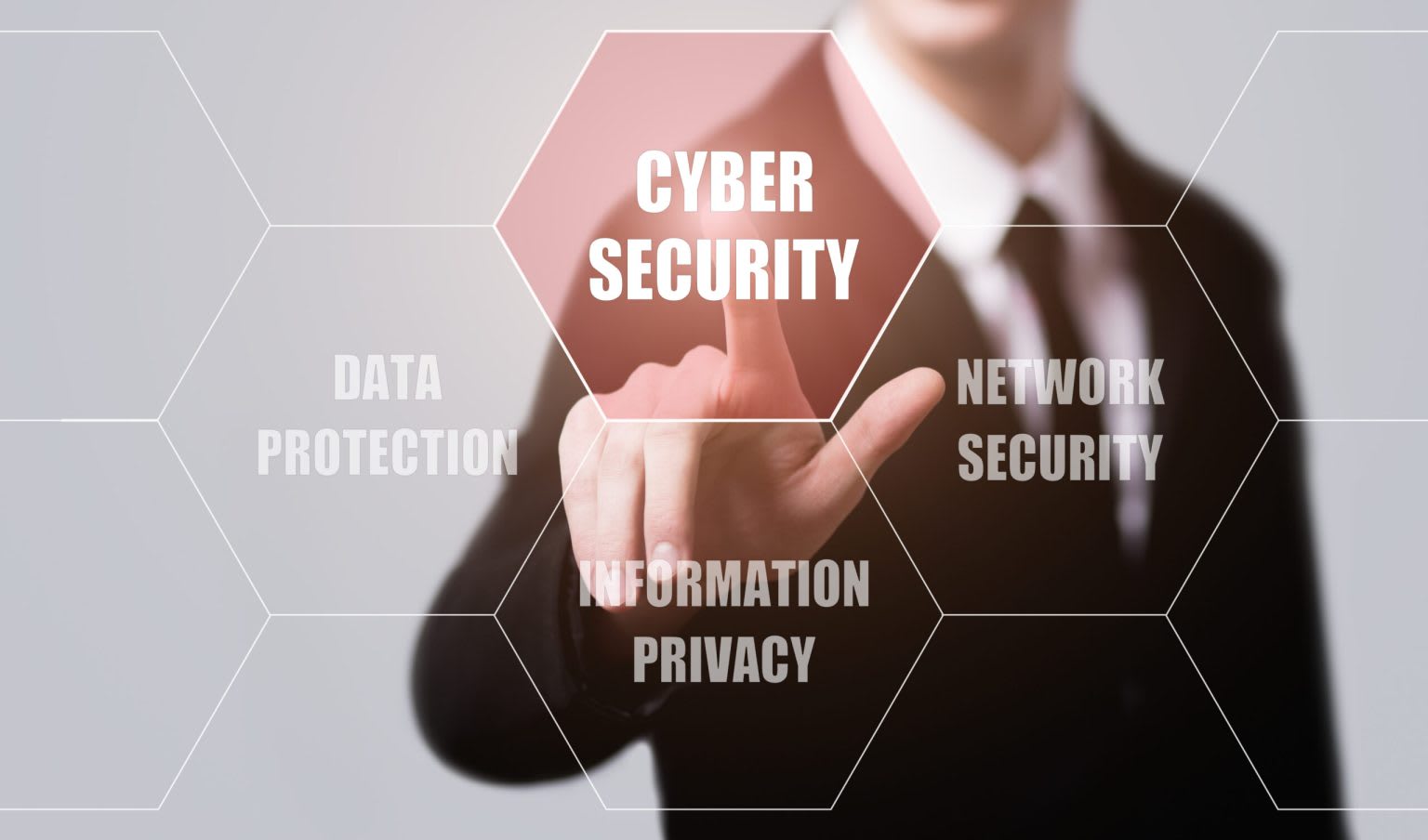
Cybersecurity is no longer just an IT concern it is a critical business priority. With increasing cyber threats, stricter data regulations and growing reliance on digital systems, organisations must ensure their IT environments are secure and compliant at all times.
For many businesses, managing cybersecurity internally can be complex and resource-intensive. This is where Managed IT Services play a vital role. By partnering with a trusted IT managed services provider, organisations can strengthen security, reduce risks and maintain compliance with industry standards.
This blog explores how cybersecurity and compliance are integrated into managed IT support services and why they are essential for modern enterprises.
Why Cybersecurity Matters in Managed IT Services
Cyber threats are becoming more advanced, targeting businesses of all sizes. From ransomware attacks to data breaches, security incidents can disrupt operations and damage trust.
Common cybersecurity risks include:
Malware and ransomware attacks
Phishing and social engineering
Data breaches and unauthorised access
Insider threats and human error
Managed IT Services address these risks through proactive monitoring, security tools and continuous system updates.
Key Cybersecurity Components in Managed IT Services
1. Threat Monitoring and Detection
A reliable IT managed service provider offers continuous monitoring of networks, systems and endpoints. This helps detect unusual activity and potential threats in real time.
Monitoring tools analyse:
Network traffic patterns
User access behaviour
System vulnerabilities
Suspicious activity
Early detection allows businesses to respond quickly and prevent major incidents.
2. Endpoint and Network Security
With remote work and cloud adoption, endpoints such as laptops and mobile devices have become key entry points for cyber threats.
Managed IT support services secure endpoints through:
Antivirus and anti-malware protection
Firewall management
Device access control
Network security configuration
These measures reduce the risk of unauthorised access and data compromise.
3. Patch Management and System Updates
Outdated systems are one of the biggest security risks. Managed IT solutions ensure all software, applications and operating systems are regularly updated.
Patch management includes:
Identifying vulnerabilities
Applying security patches
Testing updates before deployment
This reduces exposure to known threats and improves overall system security.
4. Data Protection and Encryption
Data is a critical asset for any organisation. Managed IT services implement strong data protection measures to safeguard sensitive information.
These include:
Data encryption (in transit and at rest)
Access control policies
Secure data storage solutions
Backup and recovery systems
Such measures ensure data remains protected even in the event of a breach.
5. Incident Response and Recovery
Despite strong preventive measures, security incidents can still occur. Managed IT Services include structured incident response plans to minimise impact.
Incident response involves:
Identifying and containing threats
Investigating the cause
Restoring affected systems
Preventing future incidents
This approach ensures faster recovery and reduced downtime.
Understanding Compliance in IT Services
Compliance refers to adhering to regulatory standards and industry requirements related to data protection, privacy and IT operations.
Depending on the industry, organisations may need to comply with:
Data protection regulations (such as GDPR)
Information security standards (such as ISO 27001)
Industry-specific requirements
Failure to comply can result in legal penalties, financial losses and reputational damage.
How Managed IT Services Support Compliance
Regulatory Alignment
Managed IT providers help businesses align their IT systems with relevant regulations by implementing appropriate controls and policies.
Audit and Reporting
Compliance requires proper documentation and reporting. Managed IT services provide regular reports on system performance, security events and compliance status.
Risk Management and Assessments
An IT managed services provider conducts risk assessments to identify vulnerabilities and ensure compliance standards are met.
Data Governance
Managed IT support services establish policies for data handling, storage and access, ensuring compliance with privacy regulations.
Benefits of Cybersecurity and Compliance in Managed IT Services
Businesses that integrate cybersecurity and compliance into their managed IT strategy benefit from:
Reduced risk of cyberattacks
Improved data protection
Regulatory compliance and reduced penalties
Increased customer trust
Stronger business continuity
For sectors such as telecom IT services and BPO IT support services, maintaining security and compliance is essential for uninterrupted operations.
Cybersecurity Challenges Without Managed IT Services
Without a structured approach, businesses may face:
Delayed threat detection
Weak security controls
Lack of compliance visibility
Increased downtime due to cyber incidents
Higher operational risks
Managed IT Services help eliminate these gaps through continuous monitoring and expert support.
How Sphere Global Solutions Ensures Secure IT Environments
Sphere Global Solutions delivers secure and compliant Managed IT Services tailored to modern business needs.
Our approach includes:
24/7 threat monitoring and IT helpdesk services
Advanced cybersecurity solutions
Compliance support and reporting
Data protection and disaster recovery
Secure cloud and infrastructure management
As a trusted IT managed services provider, we help organisations protect their IT environments while meeting regulatory requirements.
Conclusion
Cybersecurity and compliance are essential components of modern IT management. With increasing threats and regulatory requirements, businesses must adopt a proactive approach to protecting their systems and data.
Managed IT Services provide the expertise, tools and processes needed to maintain secure and compliant IT environments. By partnering with an experienced provider, organisations can reduce risk, ensure compliance and focus on business growth.